Craftsmanship Library
Digital Printing
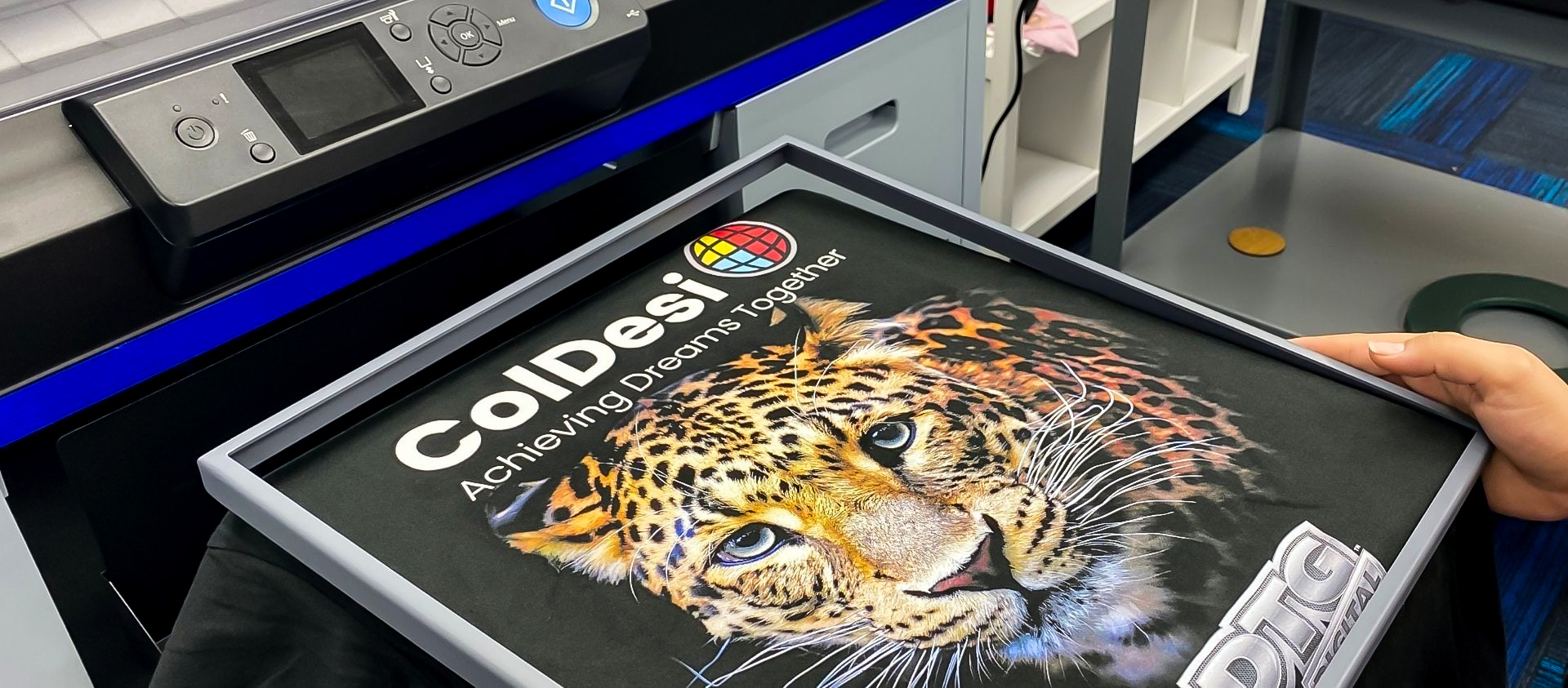
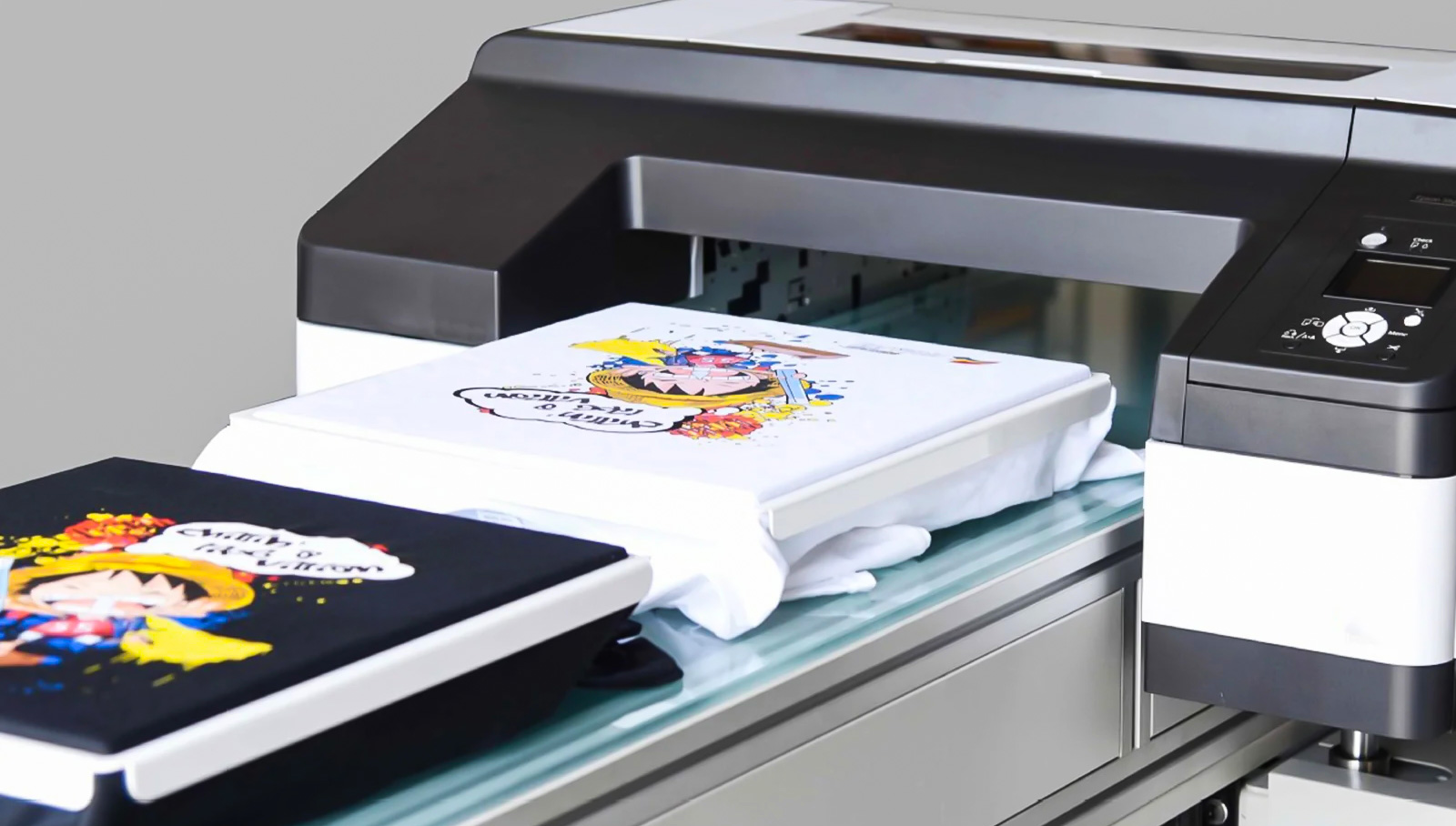
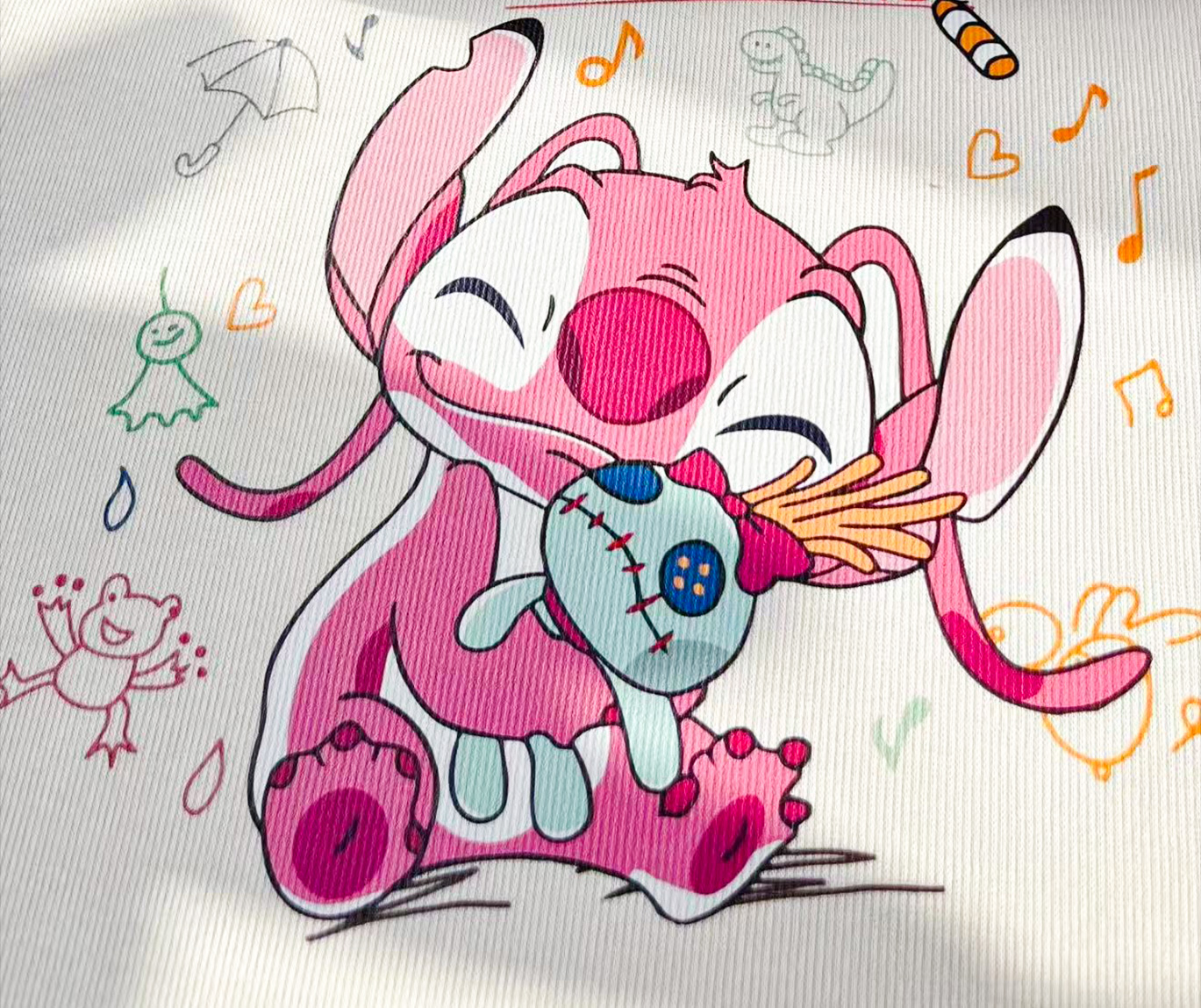
Using inkjet technology to directly print designs onto fabric, commonly known as DTG (Direct-to-Garment) printing. Due to the ink penetrating the fabric, garments produced using DTG are lighter and more breathable.
DTG allows for vibrant colors, intricate designs, and high-resolution printing. Moreover, it is conducive to printing complex patterns that span across seams.
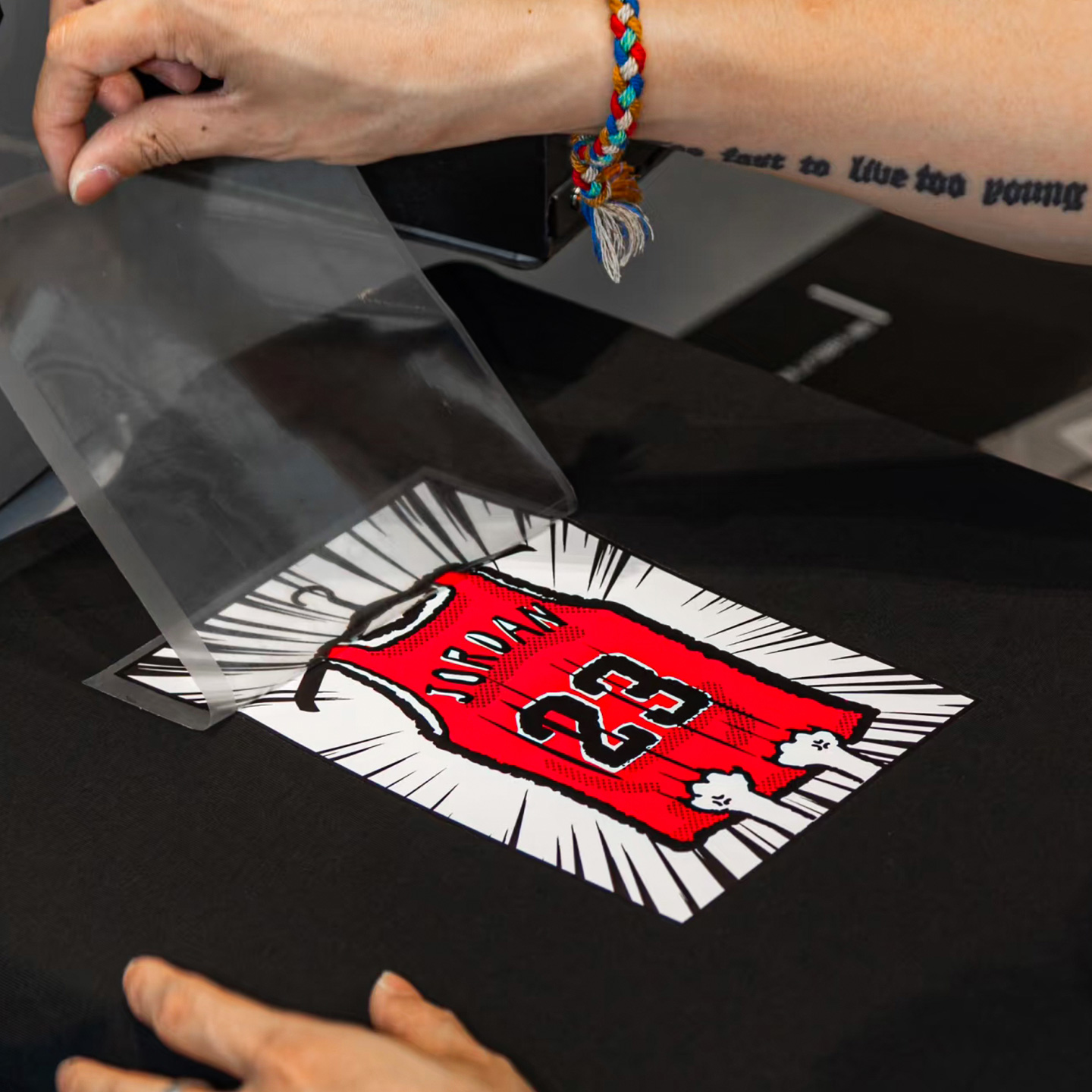
Printed on film first, then heat-pressed onto the garment. Sharp edges, vibrant colors, and a slightly thicker feel than DTG.
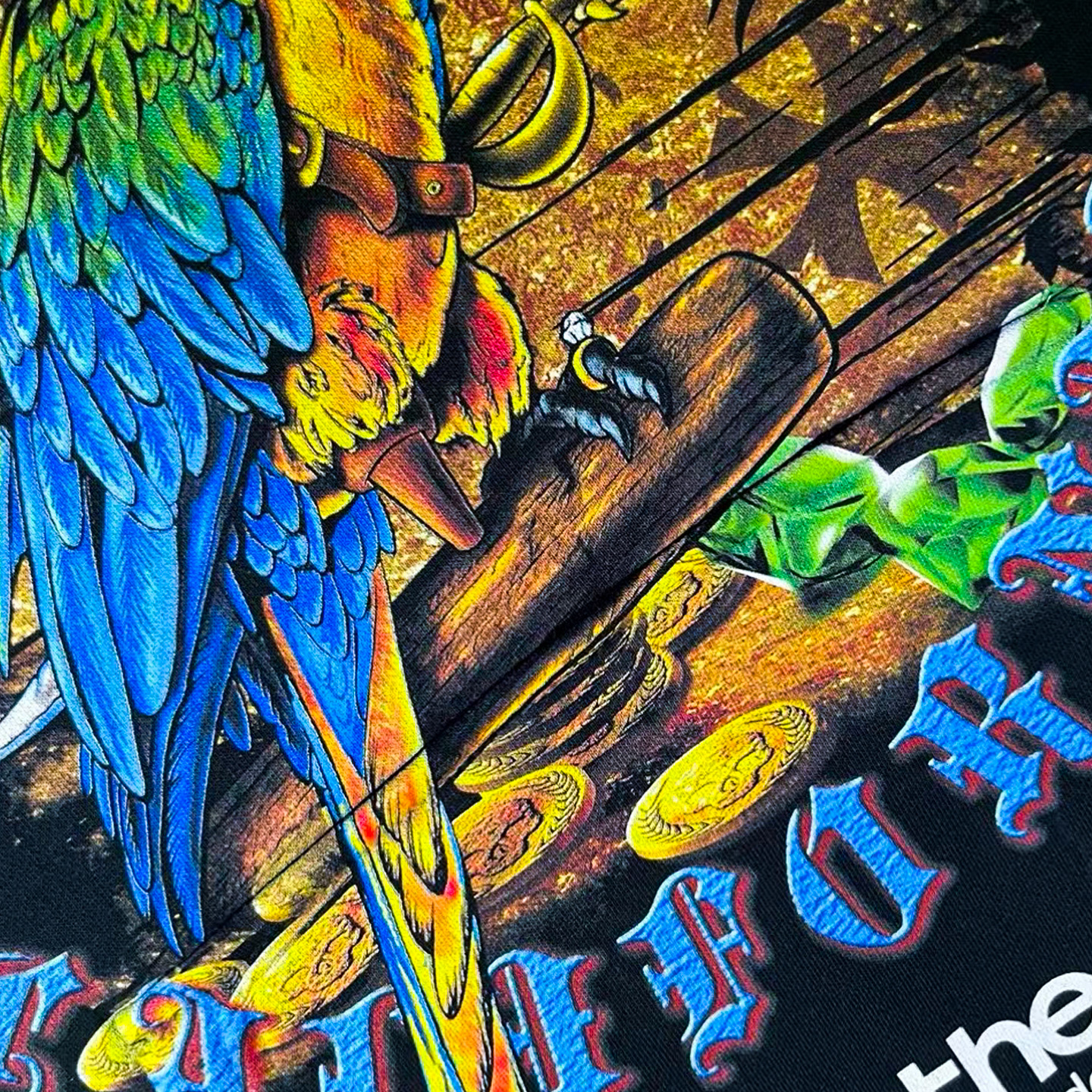
Ink is printed directly onto the finished garment. High color accuracy, vibrant colors, no rubbery feel, and ideal for complex designs.
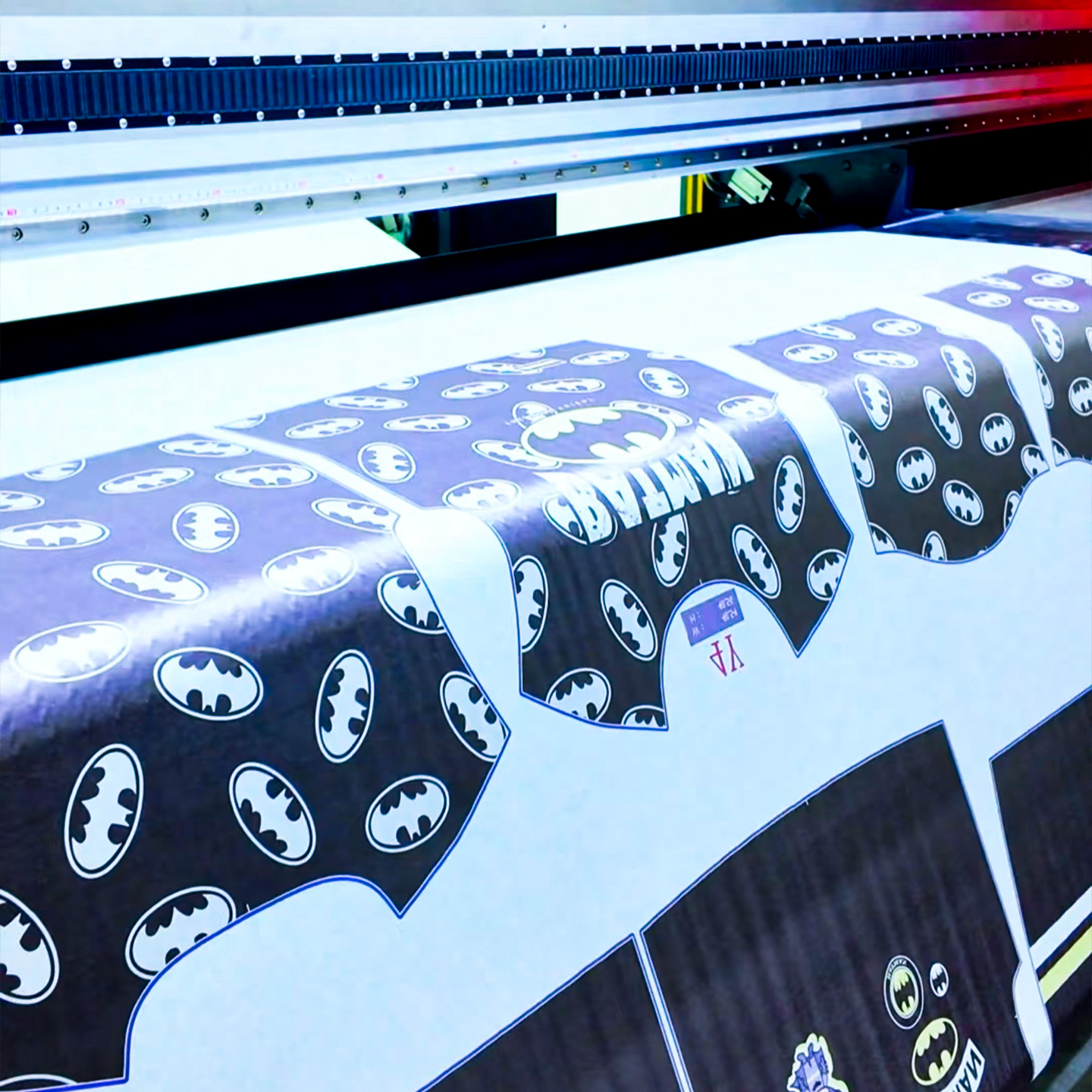
Printed on film first, then heat-pressed onto the garment. Sharp edges, vibrant colors, and a slightly thicker feel than DTG.
Ink is printed directly onto the finished garment. High color accuracy, vibrant colors, no rubbery feel, and ideal for complex designs.
Screen Printing
Before
After
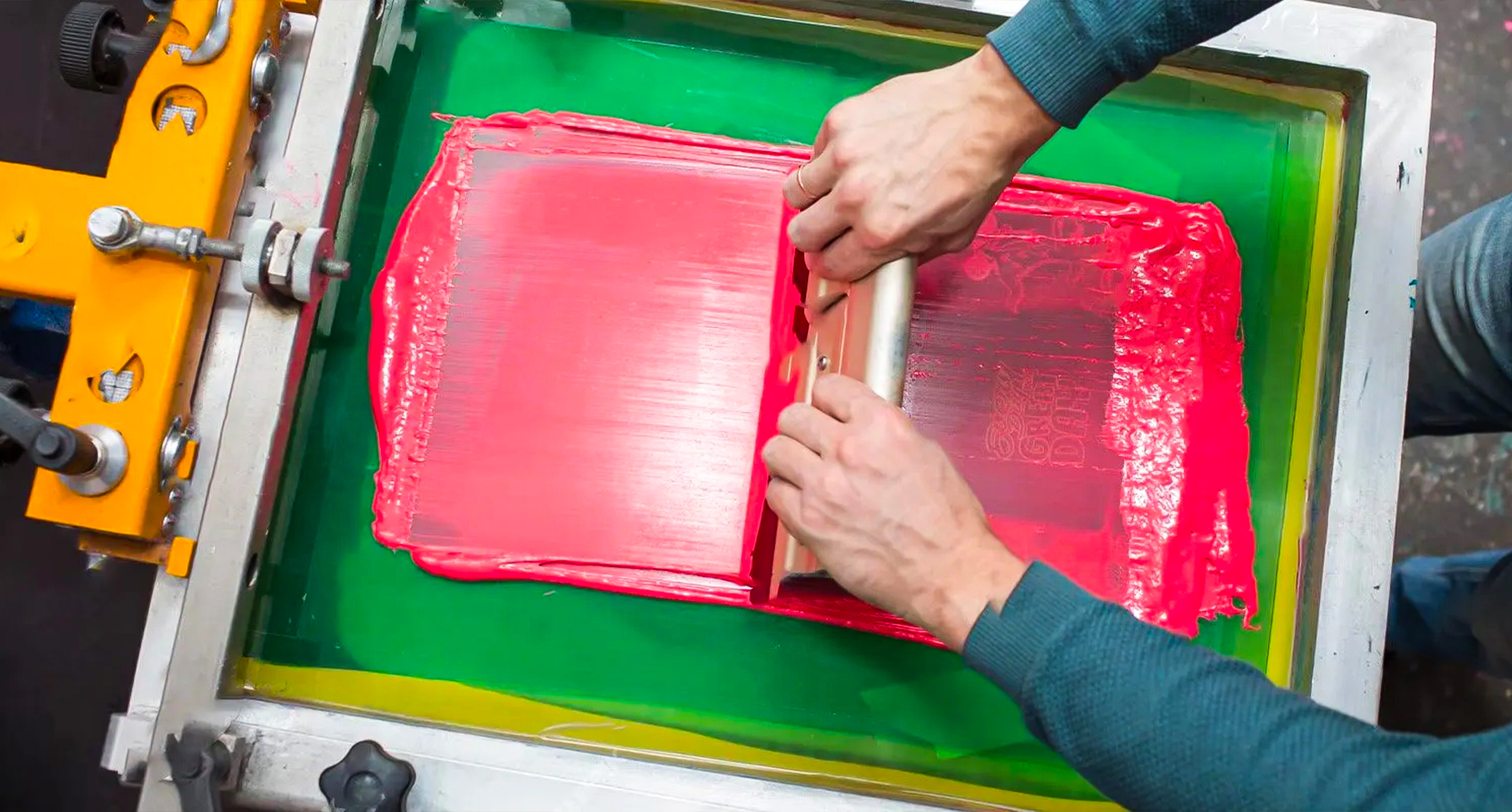
For screen prning, separatescreen templare s needed for each dferen color n the design,and each templterequires one or multiple prning proceses, Therefore,forpatterns with multiple colors, both the production and template costs for screen printing tend to be relatively high.
Various screen printing designs
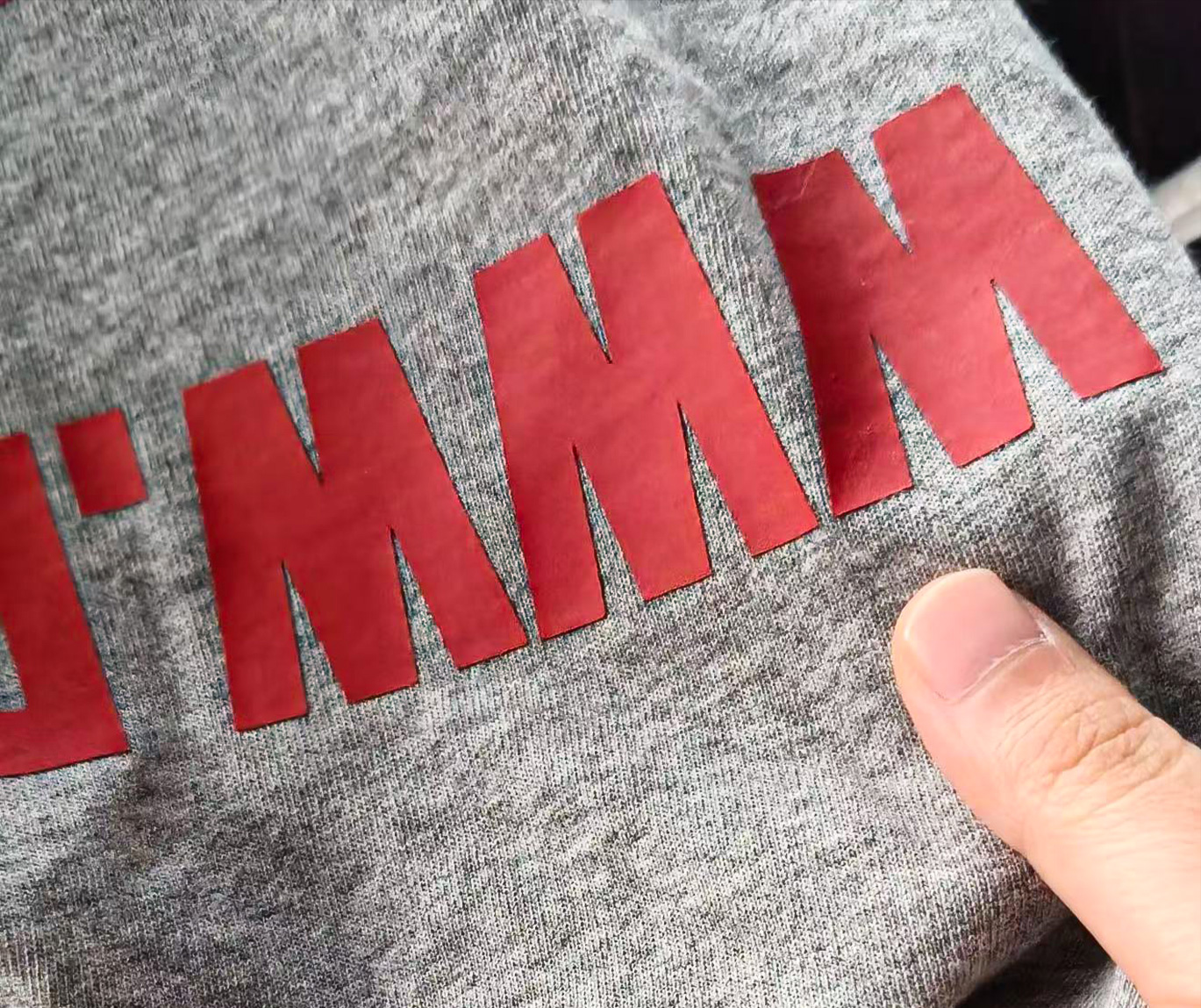
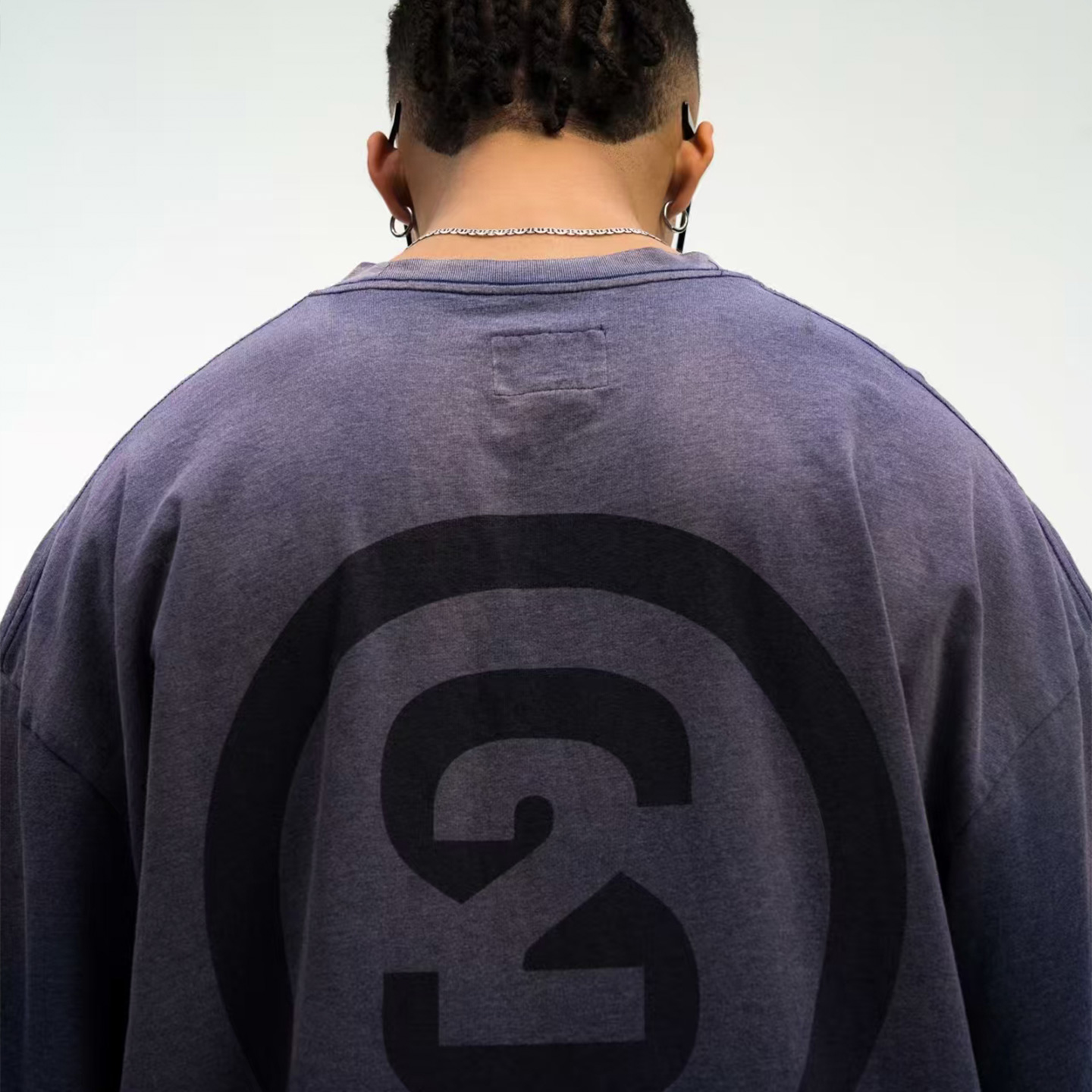
Plastisol-Based Inks Screen Printing is suitable for dark-colored fabrics.
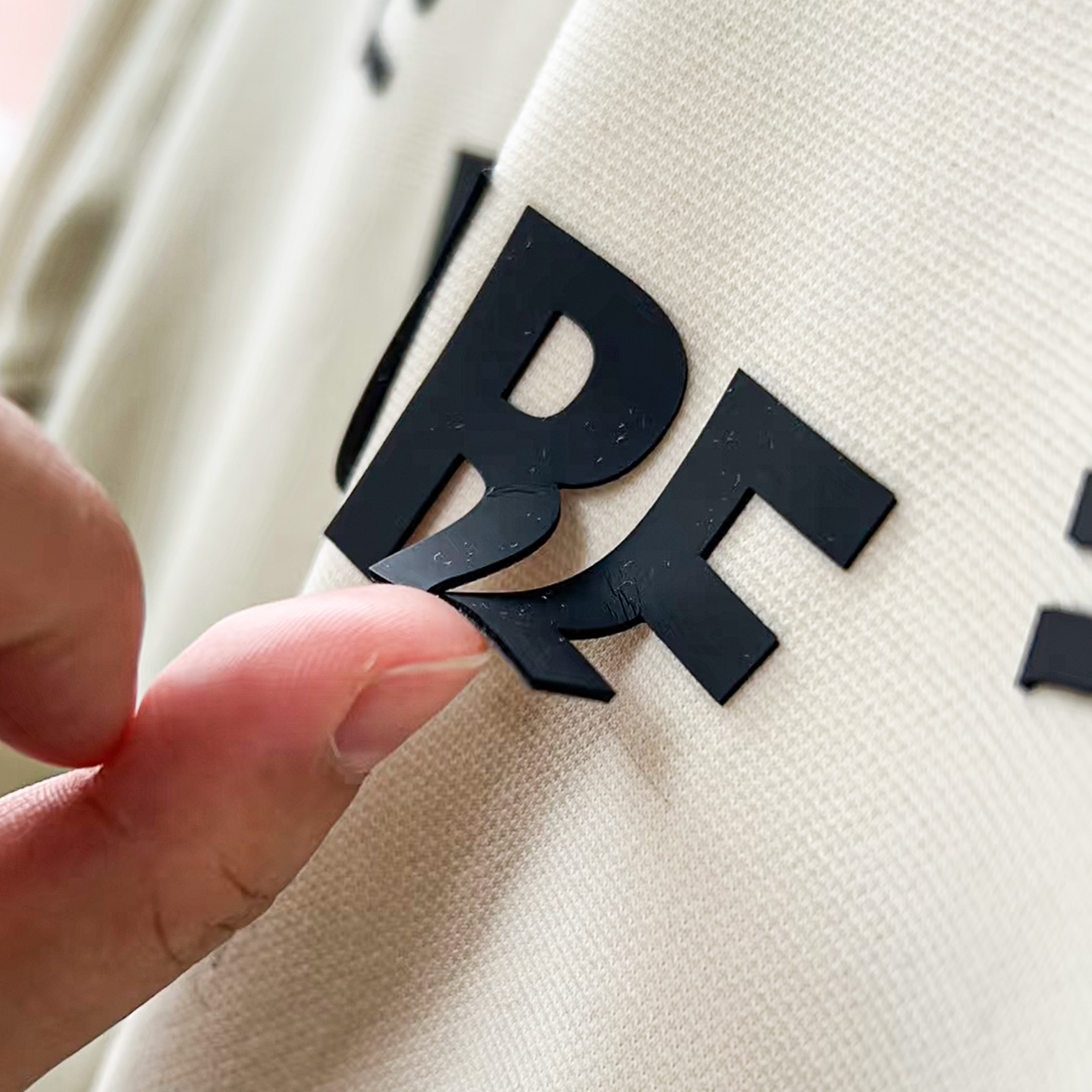
Plastisol inks will leave a thin film over the fabric, which can be felt by hand and have a thicker feel as compared to water-based ink screen print.
Water-Based Inks Screen Printing is suitable for light-colored fabrics.
Water-Based Ink Screen Prints offer an ultra soft hand feel, as the inks are actually absorbed into the fabrics.
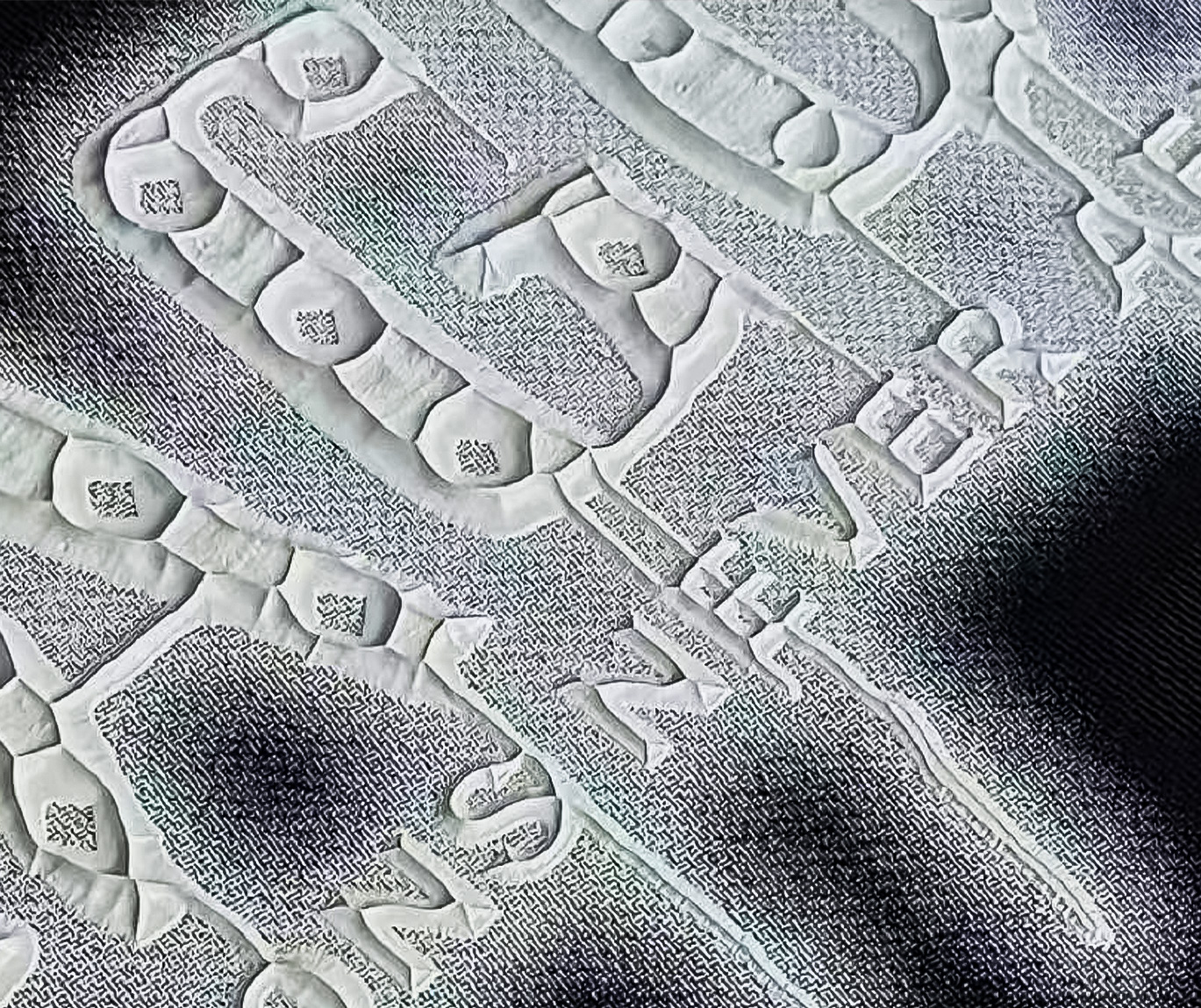
applying the paste with a brush, the screen is lifted to leave more
paste on the fabric.
Plastisol-Based Inks Screen Printing is suitable for dark-colored fabrics.
Plastisol inks will leave a thin film over the fabric, which can be felt by hand and have a thicker feel as compared to water-based ink screen print.
Water-Based Inks Screen Printing is suitable for light-colored fabrics.
Water-Based Ink Screen Prints offer an ultra soft hand feel, as the inks are actually absorbed into the fabrics.
applying the paste with a brush, the screen is lifted to leave more
paste on the fabric.
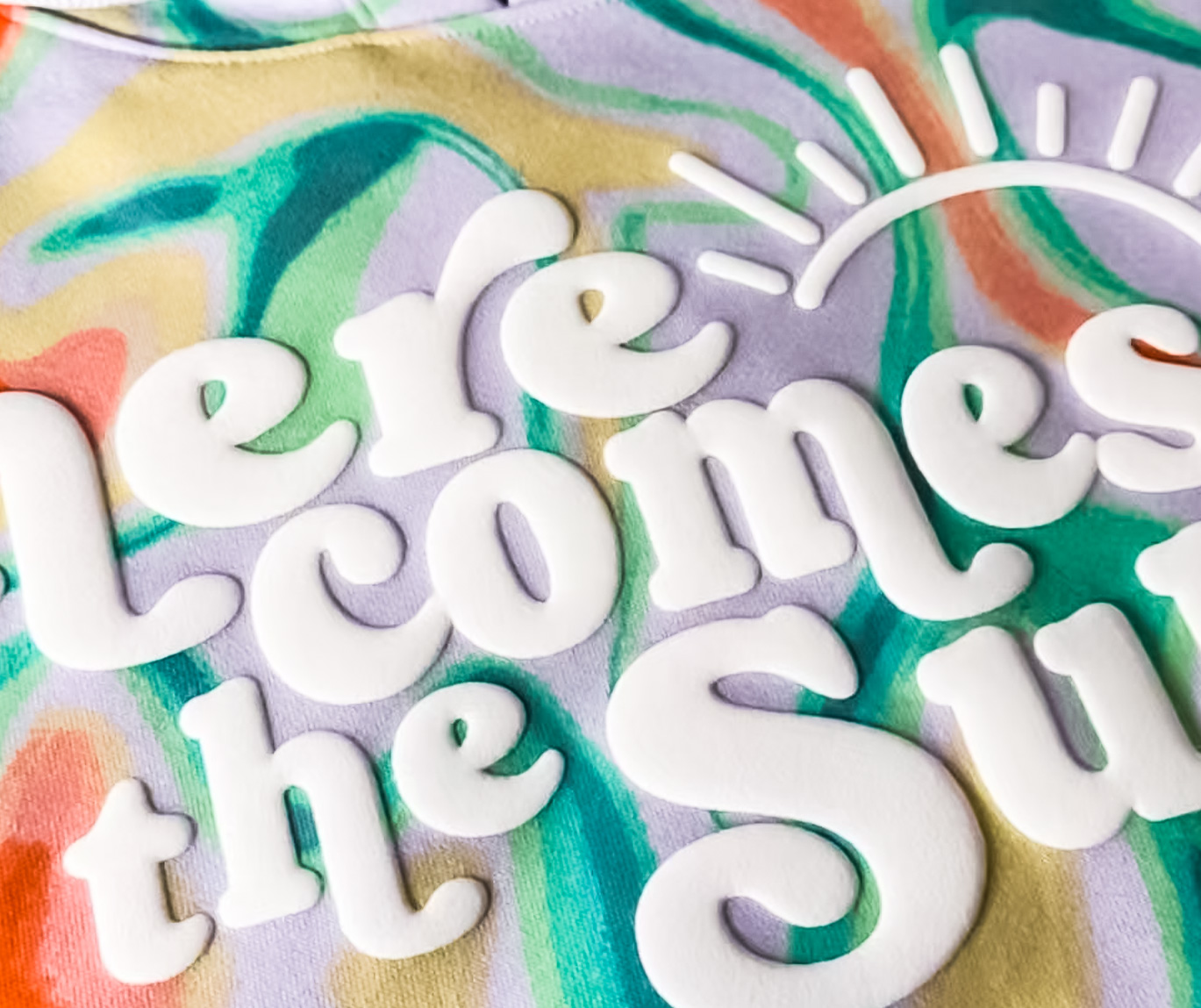
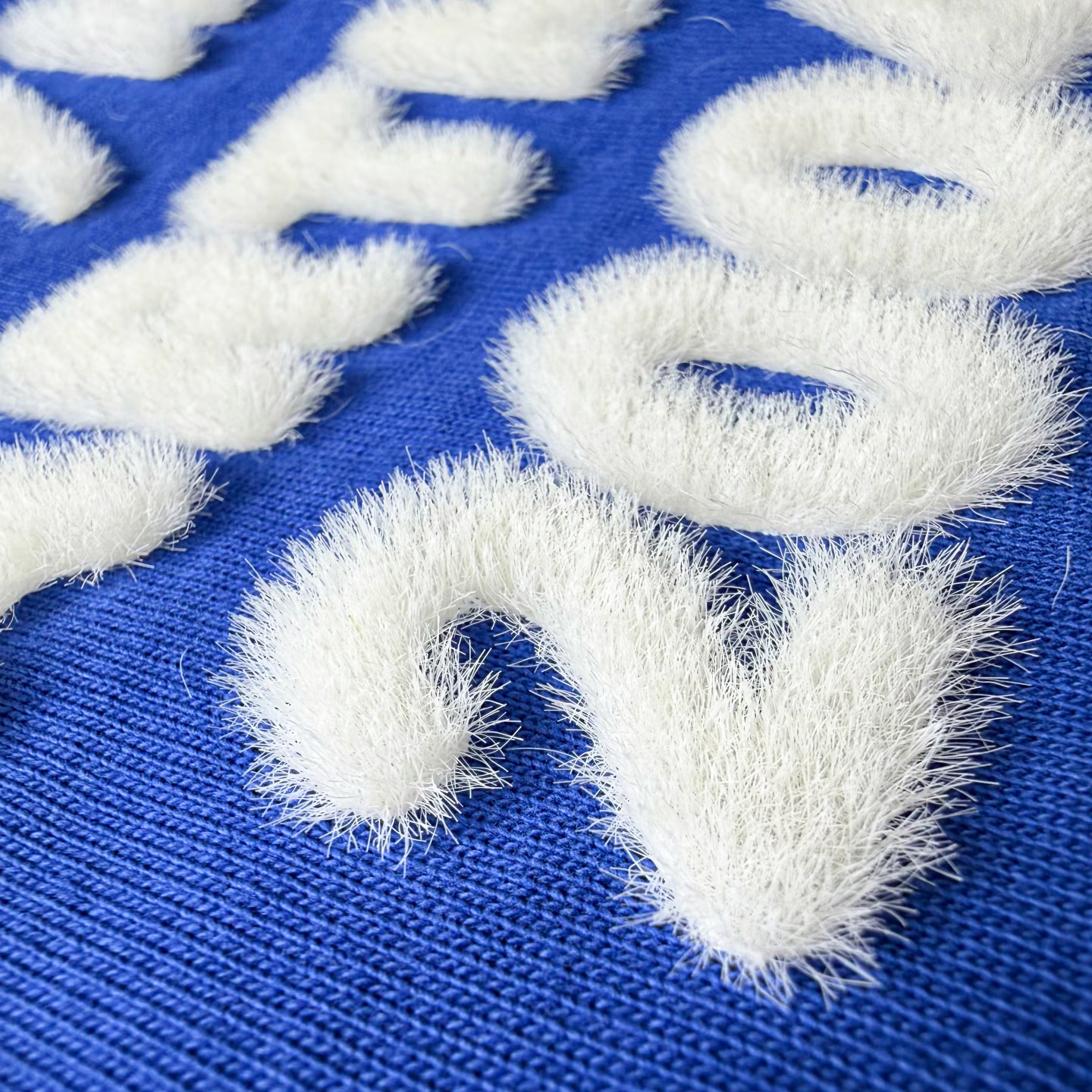
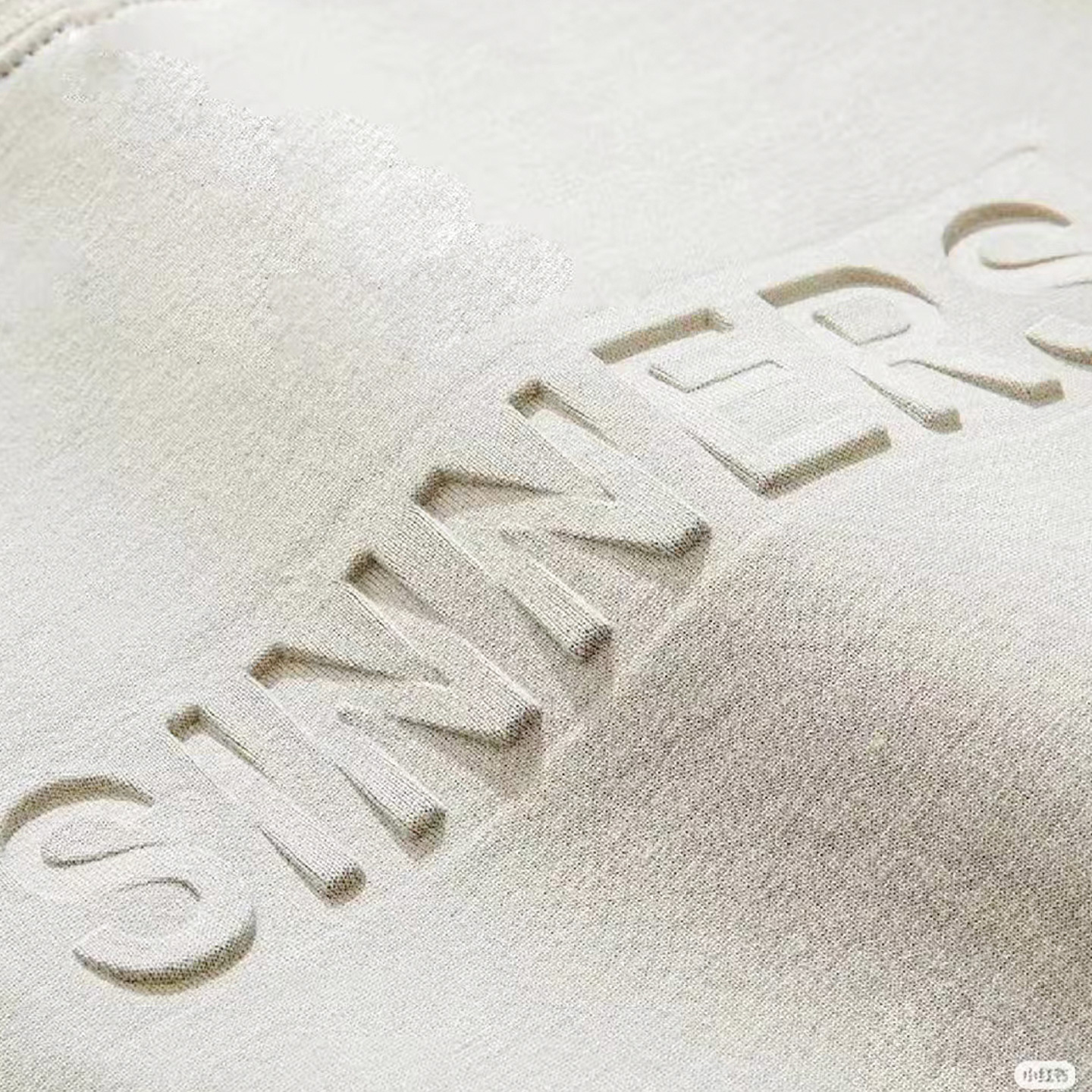
Puff printing employs a paste that expands when subjected to heat, resulting in a distinctive raised texture after the printing and drying process.
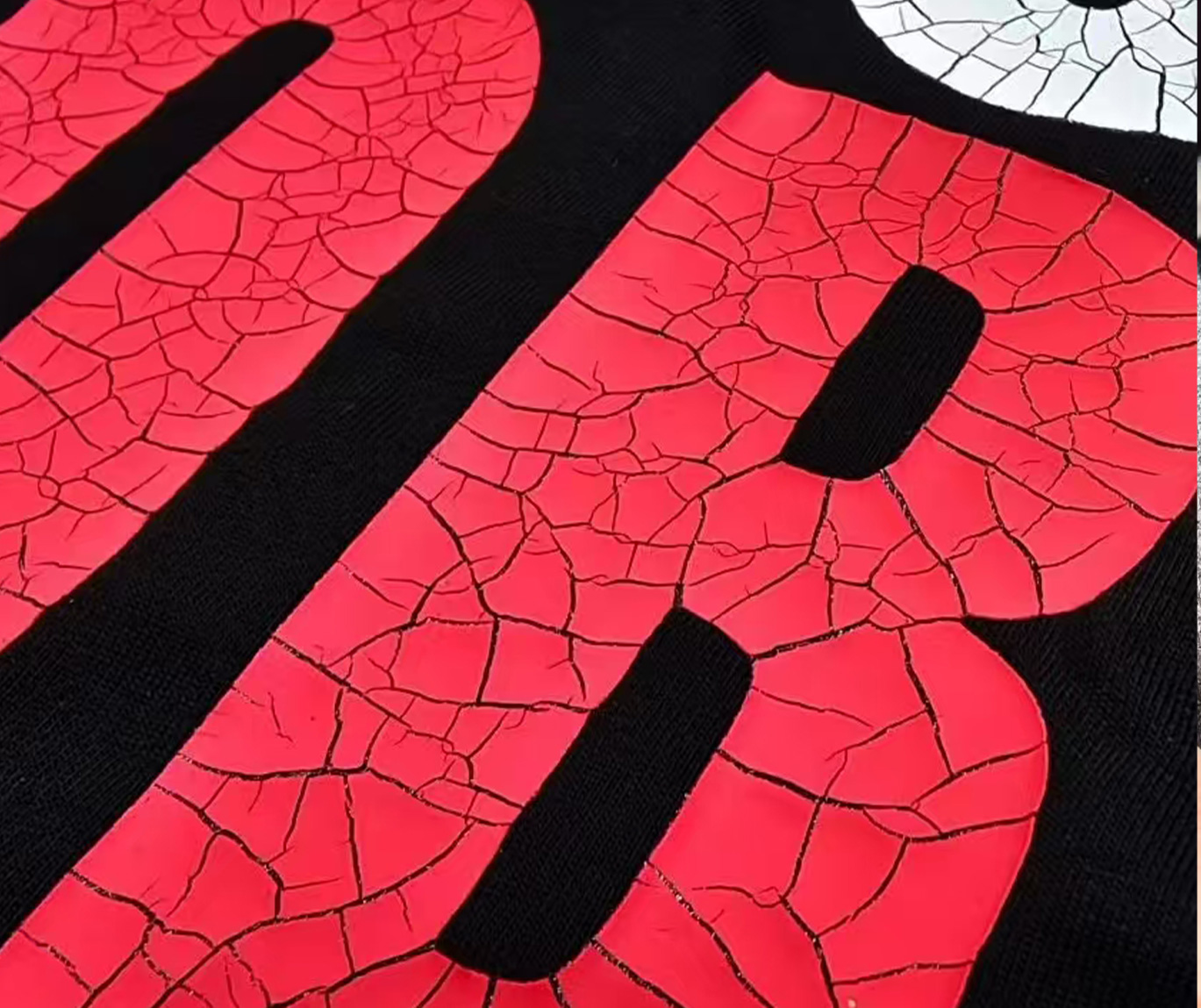
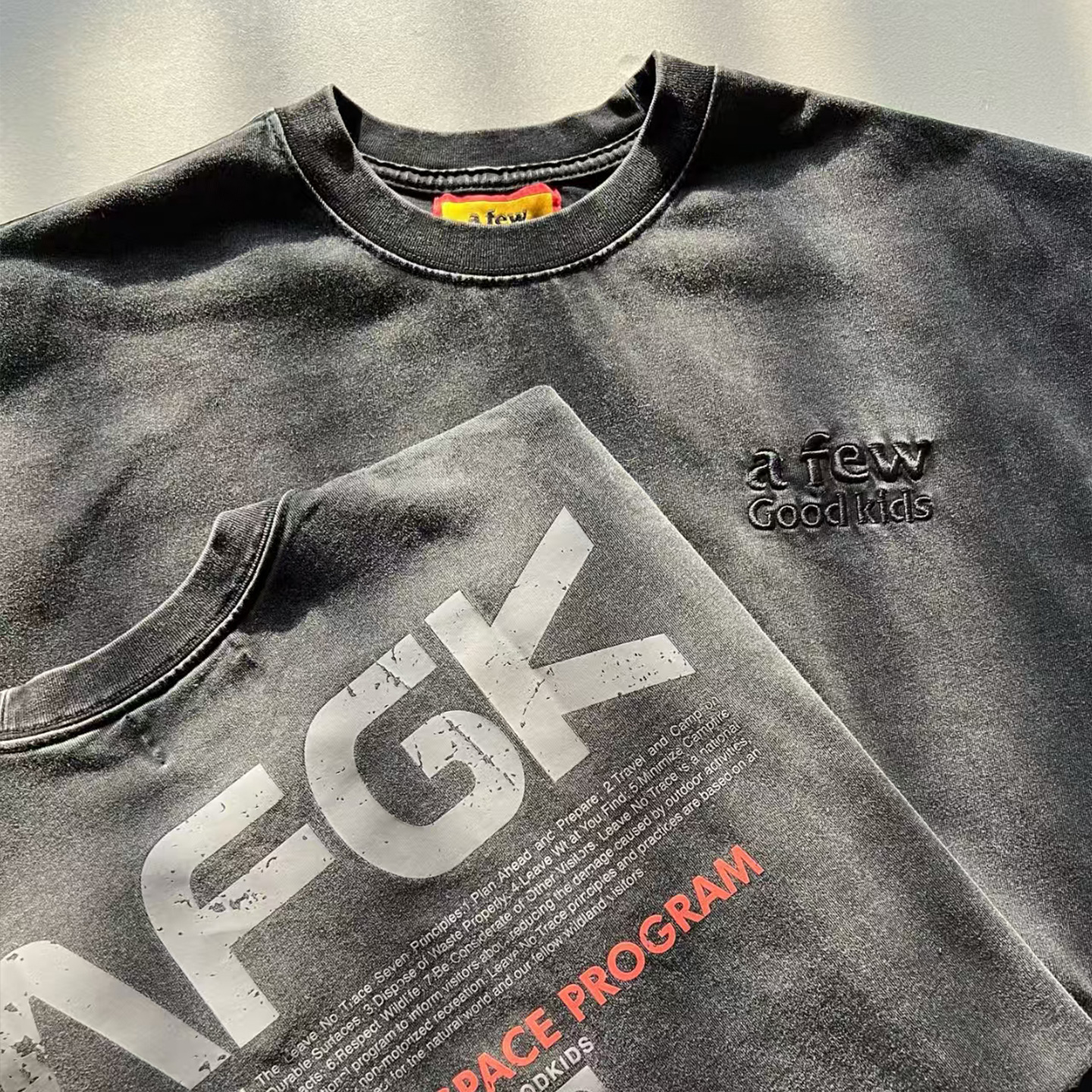
Crackled printing utilizes a paste that shrinks and cracks when exposed to heat, creating a natural textured crackle effect after printing and drying.
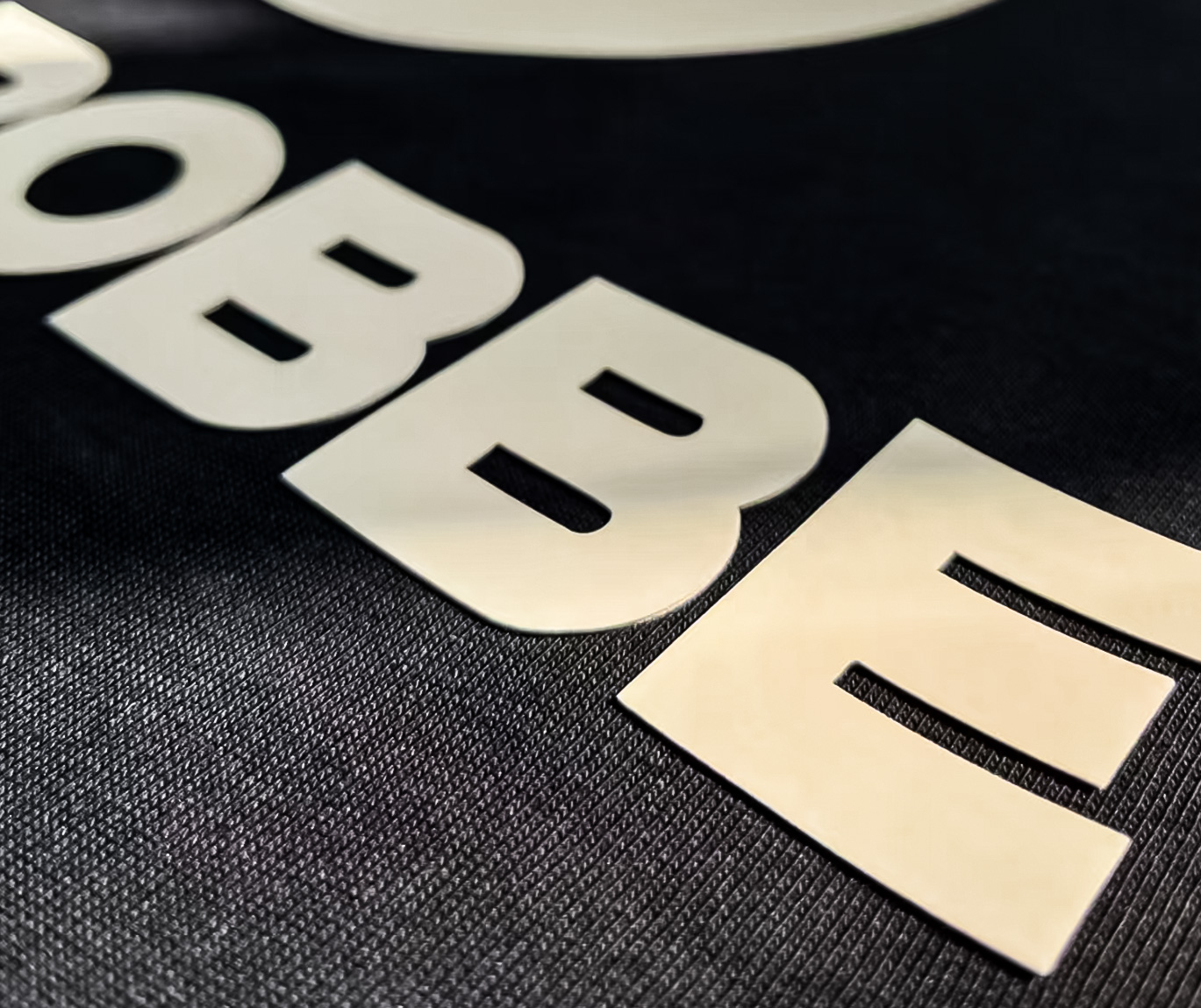
Puff printing employs a paste that expands when subjected to heat, resulting in a distinctive raised texture after the printing and drying process.
Crackled printing utilizes a paste that shrinks and cracks when exposed to heat, creating a natural textured crackle effect after printing and drying.
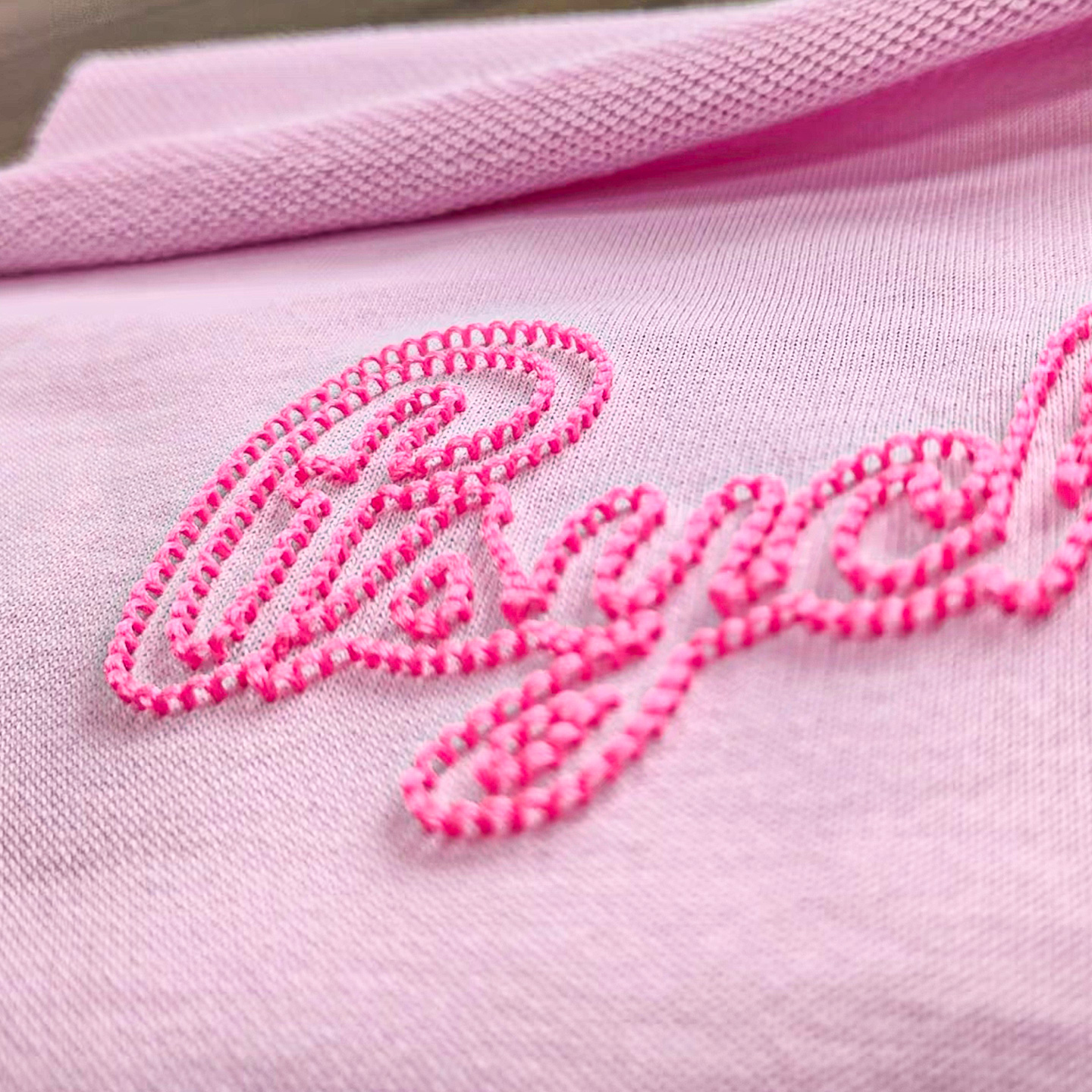
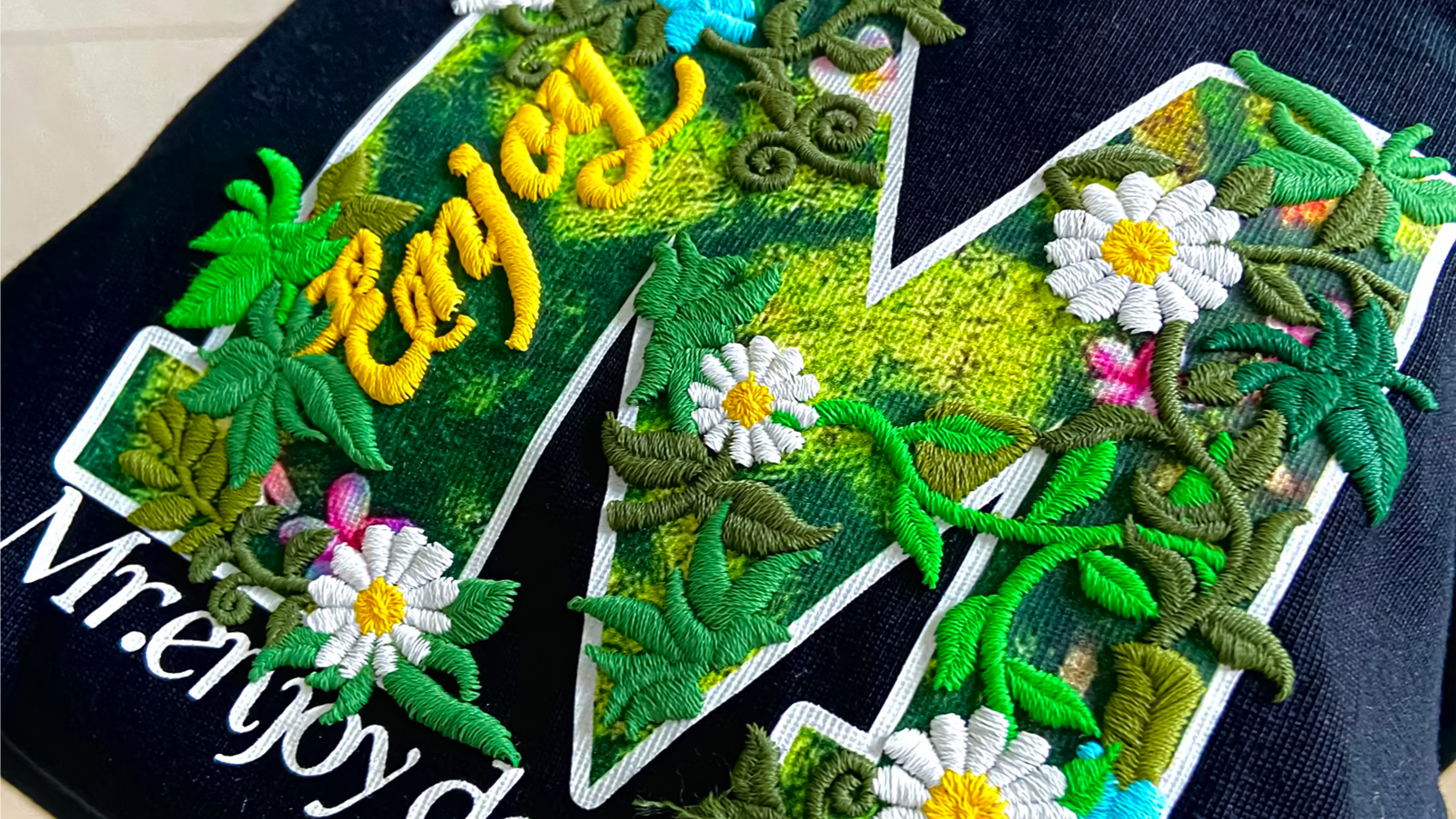
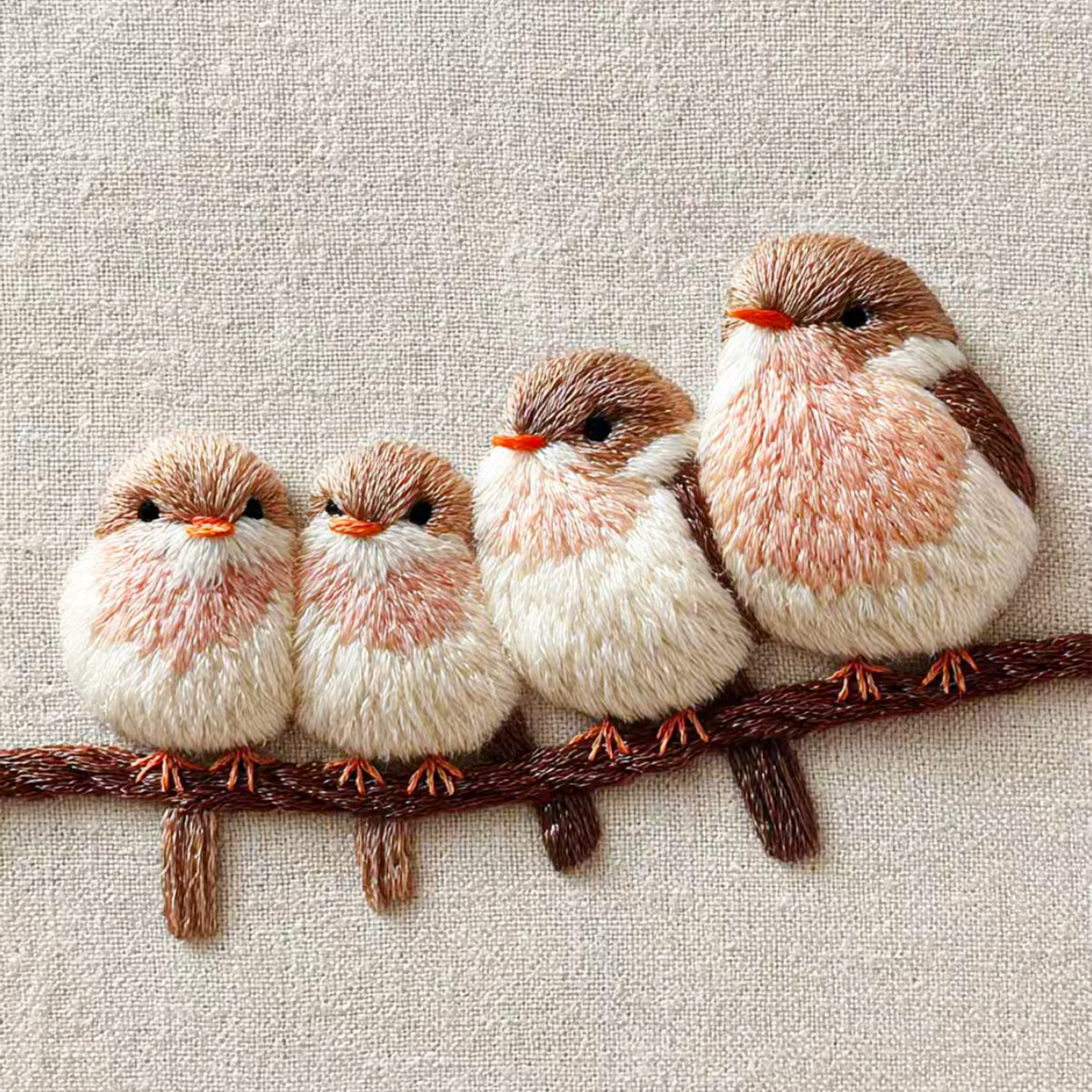
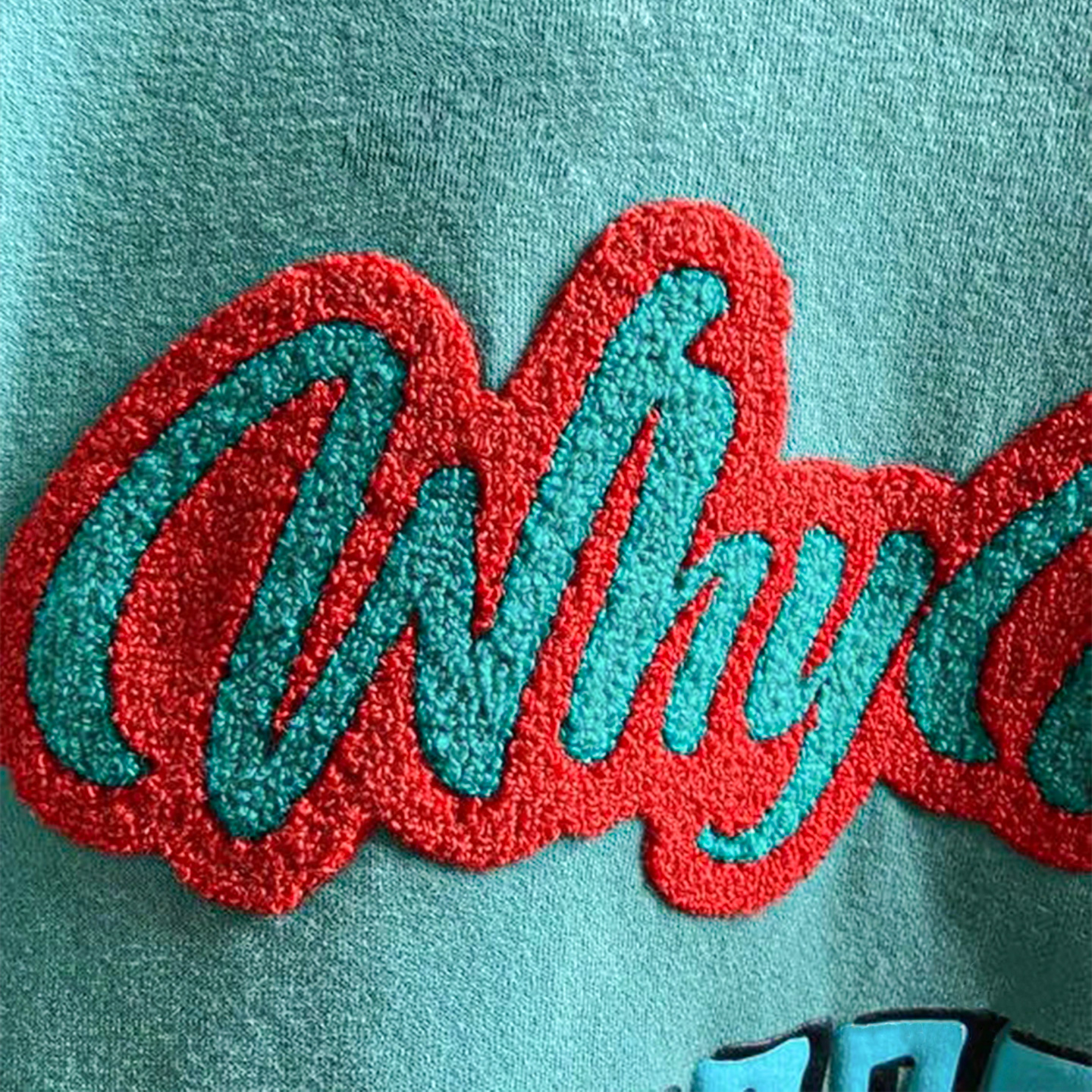
Embroidery
Other techniques
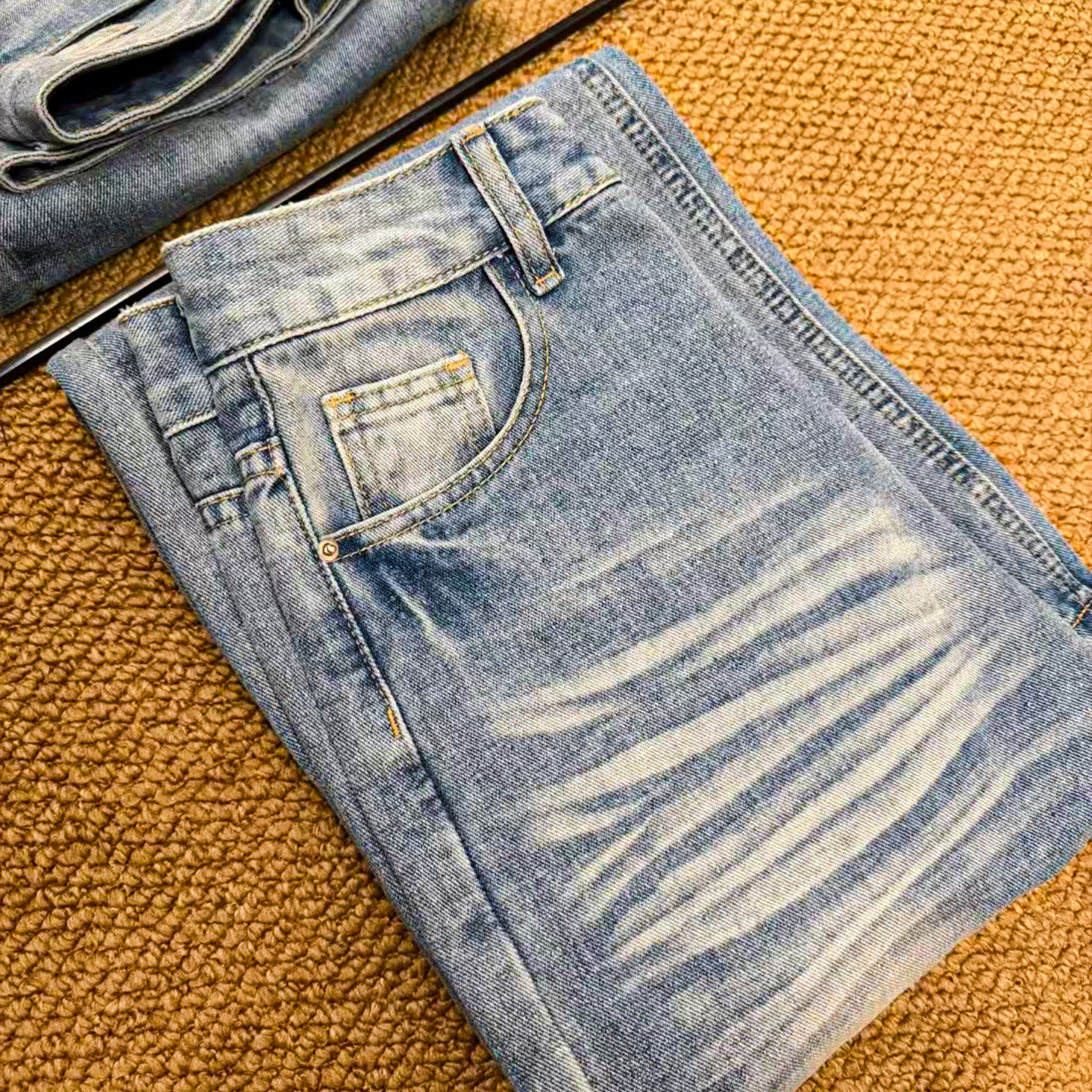
Other common garment techniques that change color, appearance, and more